
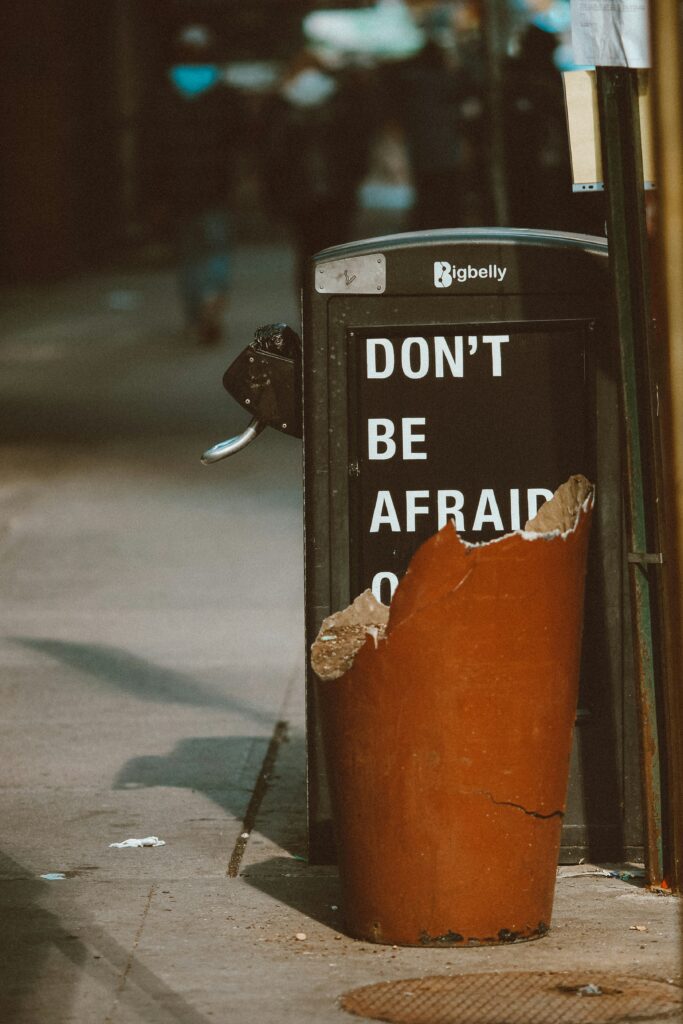
Saying no without guilt is a soft skill — not a battle cry
The art of saying no without guilt or burnout might just be the most underrated survival skill in the soft life era. It’s not about turning into a walking boundary with a snarky “nope.” It’s about finding a kind, clear, and calm way to protect your energy — especially when your nervous system already feels like it’s running on 3% battery.
Ever said yes and then immediately regretted it? Same. Let’s unpack that.
Why Saying No Feels So Awkward (Especially for Us Sensitive Souls)
The art of saying no without guilt or burnout starts with understanding why we keep saying yes when every cell in our body screams “nope.”
Here’s the quiet truth:
- We were taught to be agreeable, not authentic
- We confuse boundaries with rejection
- We fear being “too much” or “not enough”
Sound familiar? Emotional self growth takes us through these patterns gently — without shame.
Reminder: Saying no isn’t rude. It’s a soft act of self-respect.
Burnout Isn’t Always Loud — Sometimes It’s Just… Numbness
You don’t need to collapse in a heap to be burned out. Sometimes, you just feel:
- Slightly irritated all day
- Strangely tired even after sleep
- Disconnected from things you used to enjoy
This is where soft self reset plans and gentle personal growth matter. It’s about choosing sustainable personal development, not guilt-fueled hustle.
Step 1: Notice the “Tiny Yeses” That Drain You
The art of saying no without guilt or burnout includes noticing where your energy leaks.
Start here:
- That “sure, I’ll help” text you didn’t want to send
- The Zoom call you said yes to while sighing internally
- That weekend plan that feels like emotional tax
Small agreements stack up. Your body knows. Your calendar does too.
Step 2: Practice Saying No Without the Performance
You don’t need a TED Talk every time you decline. Keep it simple:
- “I can’t take that on right now.”
- “That doesn’t work for me.”
- “I’m focusing on fewer commitments this season.”
Say it. Breathe. Don’t apologize for protecting your peace.
FYI: You’re not a bad friend for having limits. You’re a sustainable one.
Step 3: Create a Default Response for Overwhelm Days

The art of saying no without guilt or burnout means preparing for the messy middle.
Try this:
- Save a note in your phone with 2-3 calm “no” scripts
- Keep boundaries visible (sticky notes, reminders)
- Pair your “no” with self-soothing rituals (e.g., tea, breathwork)
This is about intentional self work — not perfection.
Step 4: Track the Energy of Your Yeses
Here’s a journaling prompt that changed my life:
“How do I feel after I say yes?”
Not how you think you should feel. How you actually feel:
- Light? Warm? Energized?
- Or heavy? Resentful? Spent?
This is emotional self growth in action. You learn by watching your own signals.
Step 5: Build a Slow Boundary Practice
Think of boundaries as a daily self-soothing habit, not a drama. Try:
- Whispering your “no” in the mirror until it sounds kind
- Practicing with someone safe (or your dog)
- Writing it down before you speak it aloud
Soft boundaries are still real boundaries. You don’t need armor — just clarity.
A Gentle Invitation Before You Go
If saying no still feels heavy or your body’s been whispering that something’s off — maybe it’s time to pause.
You can check in with yourself right now using this short, research-based self-reflection: Burnout Self-Check Test
Just a few quiet questions. No pressure. Just truth, gently offered.