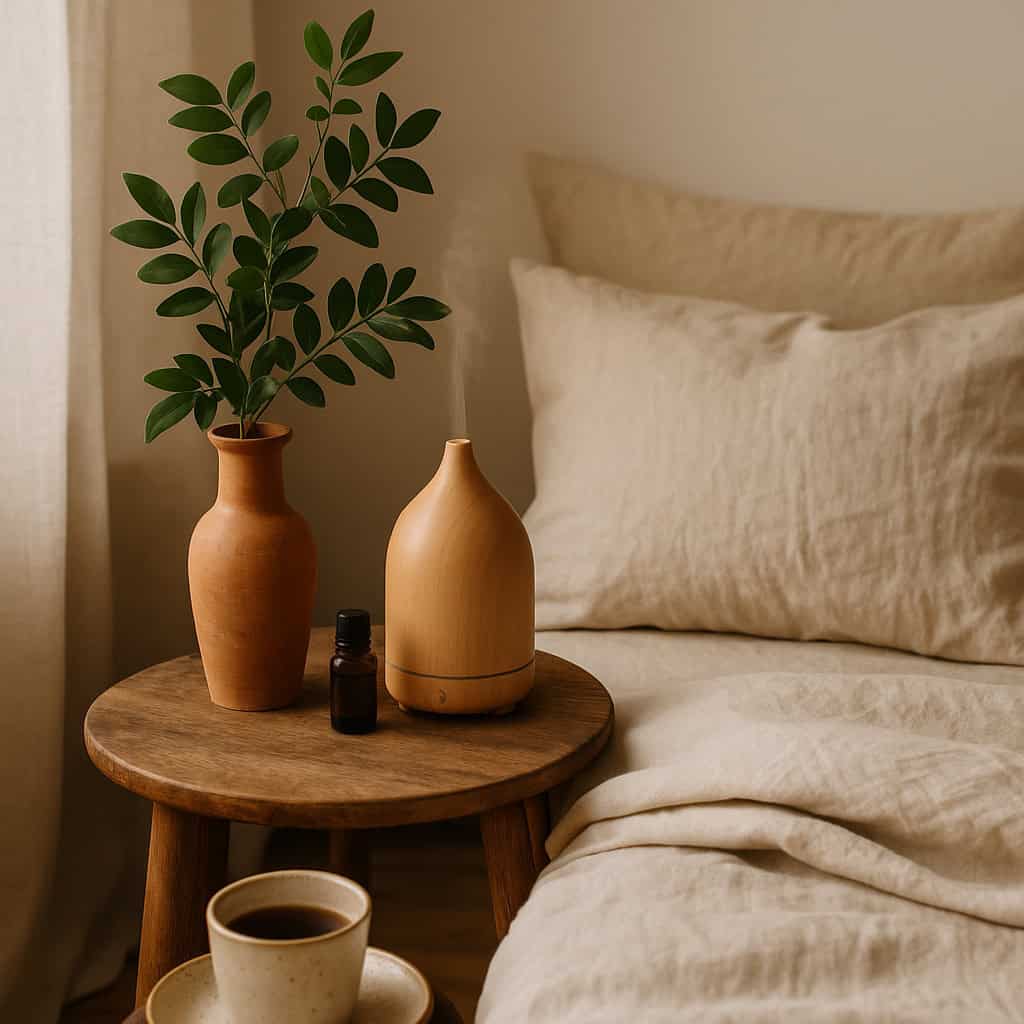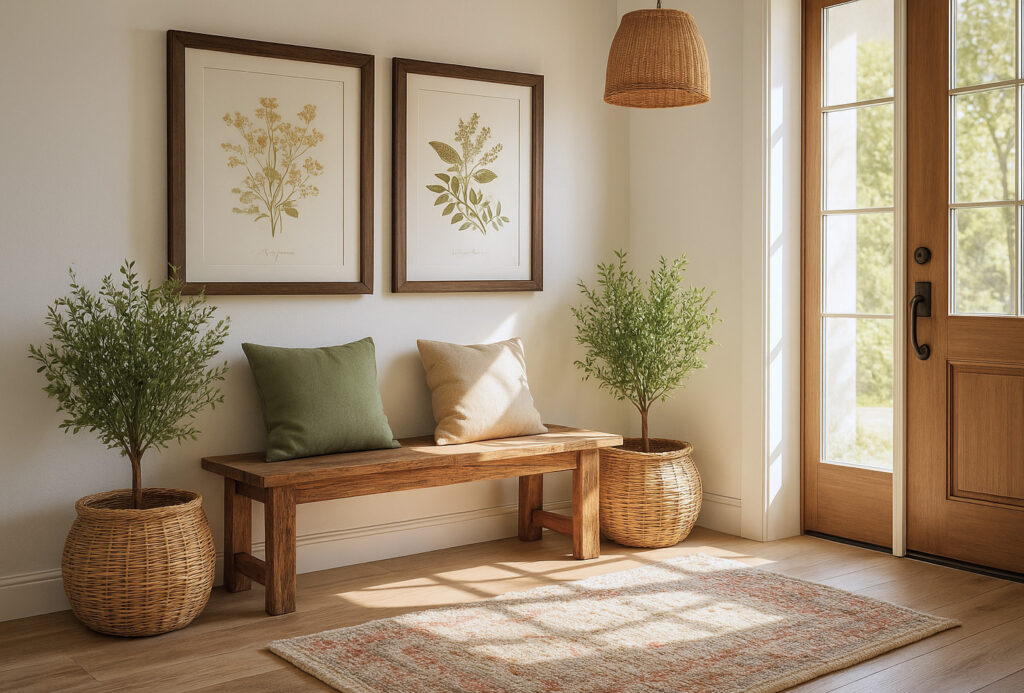
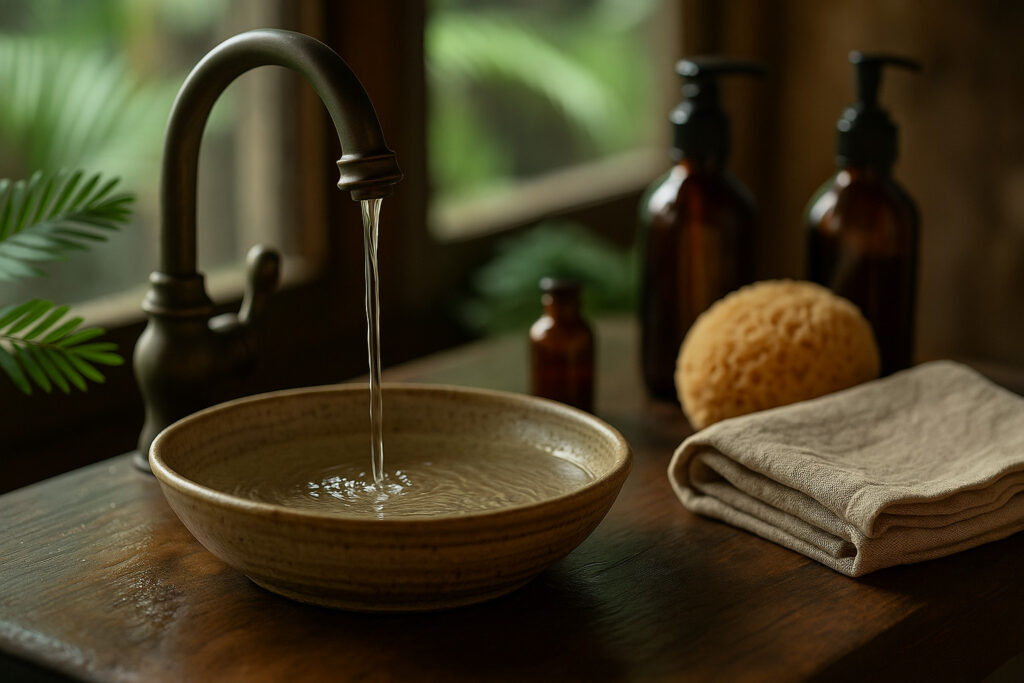
Fast furniture? No thanks. Slow decorating isn’t about design degrees or perfect homes—it’s about presence. It’s about choosing fewer, better things, letting space breathe, and trusting that beauty unfolds slowly. Our nervous systems weren’t built for fast makeovers. So why do we expect our homes to bloom overnight?
In a world rushing toward “more,” slow decorating dares to pause.
What Is Slow Decorating, Really?
It’s not a style. It’s a mindset.
- Choose intentionally—not urgently.
- Embrace timeless over trendy.
- Let your home evolve as you do.
Psychologist Barry Schwartz wrote of the “paradox of choice”—how too many options create anxiety, not freedom. Slow decorating answers with constraint. With calm. With stories instead of stuff.
A slow home doesn’t whisper “look at me”—it says “you can rest here.”
Begin with What You Already Own
The most sustainable piece is the one already in your home.
- Reframe instead of replace: could this table be a writing altar?
- Rotate artwork to reawaken your eye.
- Move objects to different rooms and notice how they feel.
Marie Kondo made it mainstream, but the wisdom is older: in Zen design, emptiness and awareness are equal players. When we see with new eyes, we decorate with more than taste—we decorate with attention.
Choose Honest Materials: They Will Outlast the Trends
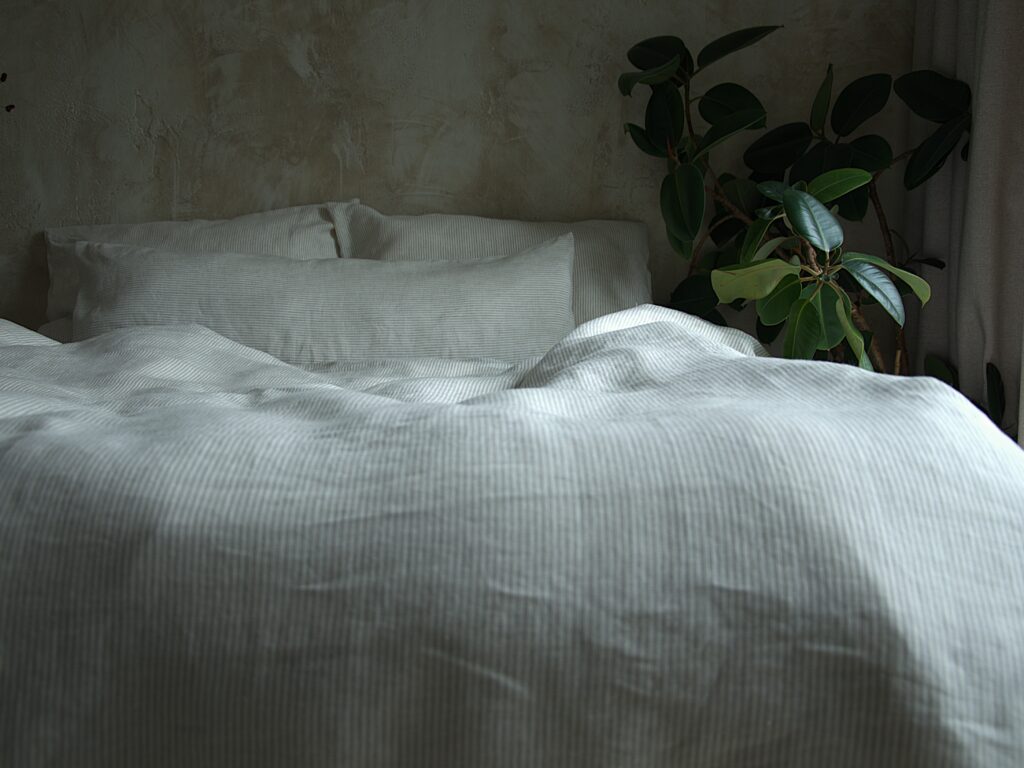
Your skin knows. Your breath knows. Natural materials feel different.
- Linen curtains soften light and energy.
- Solid wood warms and ages beautifully.
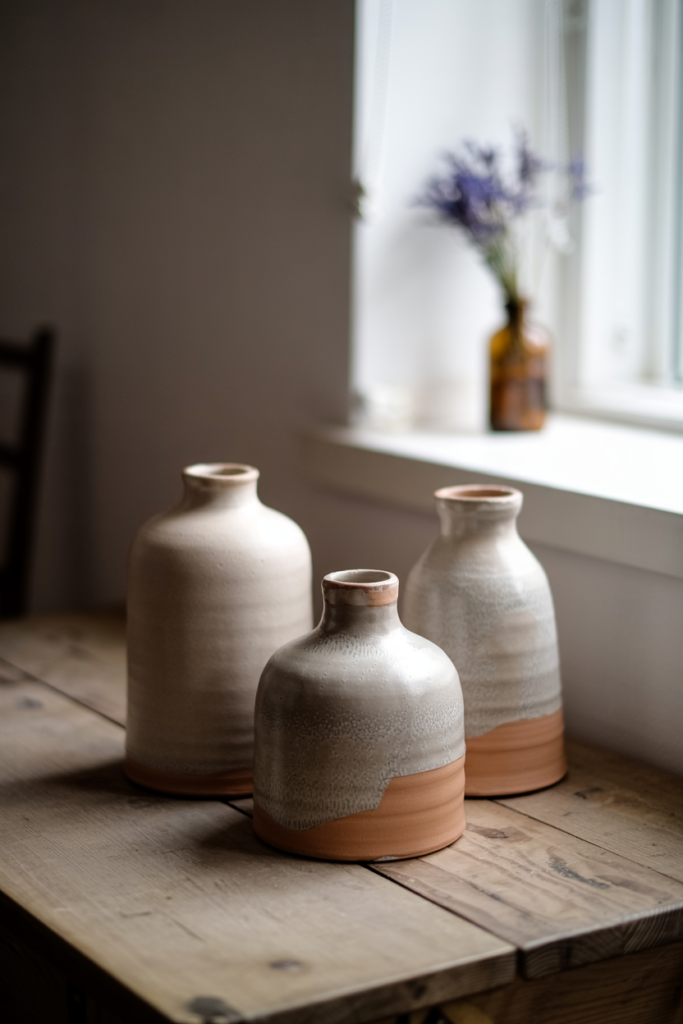
- Hand-thrown ceramics hold memory and craft.
Avoid synthetics, shiny plastics, or mass-produced copies. They may cost less upfront—but emotionally, they offer little. In Ayurveda, materials carry subtle energies. Clay grounds. Wool warms. Wood stabilizes.
Let Emptiness Be Part of the Design
Not every corner needs a purpose. Not every wall needs a print.
Leave space for light to move. For your eye to rest. For yourself to exhale.
In Japanese philosophy, “yohaku no bi” means the beauty of empty space. It’s not what’s added—but what’s left out—that soothes.
Try this: remove one object from a cluttered surface. See what softens.
Shop with a Story, Not a Scroll
Slow decorating means slow shopping.
- Buy less, but better.
- Support small makers and artisans.
- Let purchases find you over time—not during sales marathons.
Ask before you buy: “Will I care about this in five years?” If yes, it’s likely worth it.A Gentle Month-by-Month Decorating Plan
Instead of redoing everything in a weekend, try this rhythm:
Week 1 – Remove what no longer fits your life or taste.
Week 2 – Reimagine what you already have.
Week 3 – Research a single, meaningful addition (lamp, rug, textile).
Week 4 – Rest. Notice how the space feels.
Repeat next month, slowly layering meaning, not just things.
Science & Source Corner
- Barry Schwartz: Paradox of choice and decision fatigue
- Ayurveda design principles: Subtle energetics of natural materials
- Japanese aesthetics: “Yohaku no bi” and the value of space
- Environmental Psychology Studies: Impact of clutter on cortisol and wellbeing
Conclusion: Let Your Home Catch Up to Who You’ve Become
You don’t need to “finish” your space. Let it grow. Let it breathe.
In slow decorating, there’s no deadline—just direction. No trends—just truth. And maybe that’s the most beautiful thing you can bring home.
So: what if your home wasn’t a project to complete—but a poem you live in, line by line?