Why Go Scent-Free? (Yes, Even If You Love Candles)
Let’s be honest—most of us love the idea of a home that smells like something. Fresh linen. Vanilla. Maybe a pine forest, if we’re feeling extra hygge. But here’s the thing: many “nice” scents are actually chemical cocktails disguised as coziness. 🤧
Going scent-free isn’t about being boring. It’s about clarity. It’s about listening to your body’s cues—especially if you’ve ever had that weird brain fog after cleaning or lighting a candle. Sensitive nervous systems? They notice everything.
Going scent-free supports:
- Mental clarity and reduced sensory overload
- Better sleep and nervous system regulation
- Cleaner air quality and hormone health
Step 1: Audit Your Air Space (Without Panic)
Start with the biggest culprits:
- Air fresheners (yep, even those “natural” ones)
- Scented candles or incense
- Laundry detergents and softeners
- Cleaning sprays, especially “floral” or “fresh linen”
Mindful personal change begins by observing, not judging. Notice what you actually smell at home. Trust your nose.
Mini Habit: Open your windows every morning for 10 minutes. Think of it as a nervous system reset.
Step 2: Replace with Natural Calm (Not Emptiness)
You don’t have to live in a scent vacuum. Cozy isn’t about smell—it’s about feeling safe. Here’s what to try instead:
- Baking soda or vinegar-based cleaners: neutral but effective
- Fresh eucalyptus or lavender sprigs hung in the shower
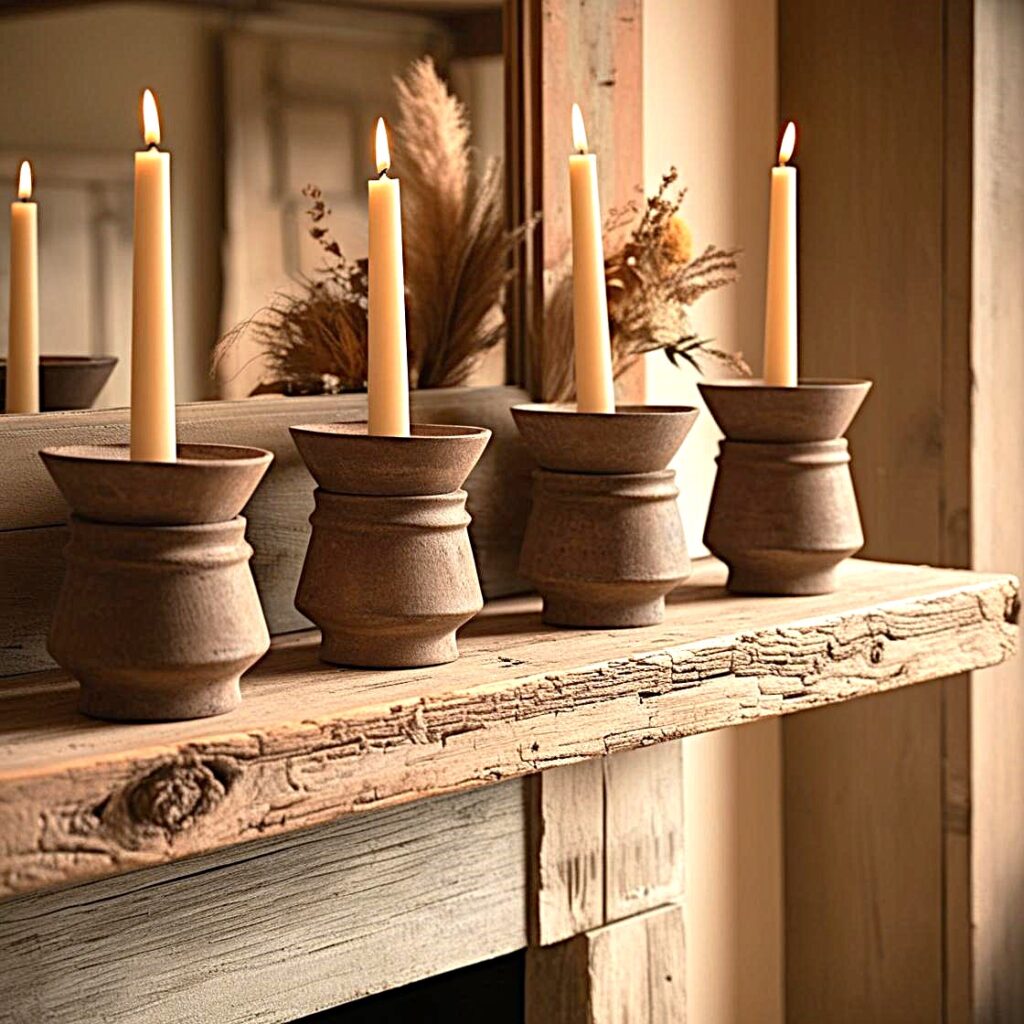
- Unscented candles made from beeswax or coconut wax
- Natural fabrics like linen—yes, they even smell better when sun-dried
Linen curtains or pillowcases carry a subtle, earthy softness that supports emotional calm. Bonus: they breathe with the seasons.
Step 3: Cozy Through Texture, Not Fragrance
Here’s the cozy trick most brands don’t want you to know: it’s texture, not perfume, that makes a space feel like home.
Try layering:
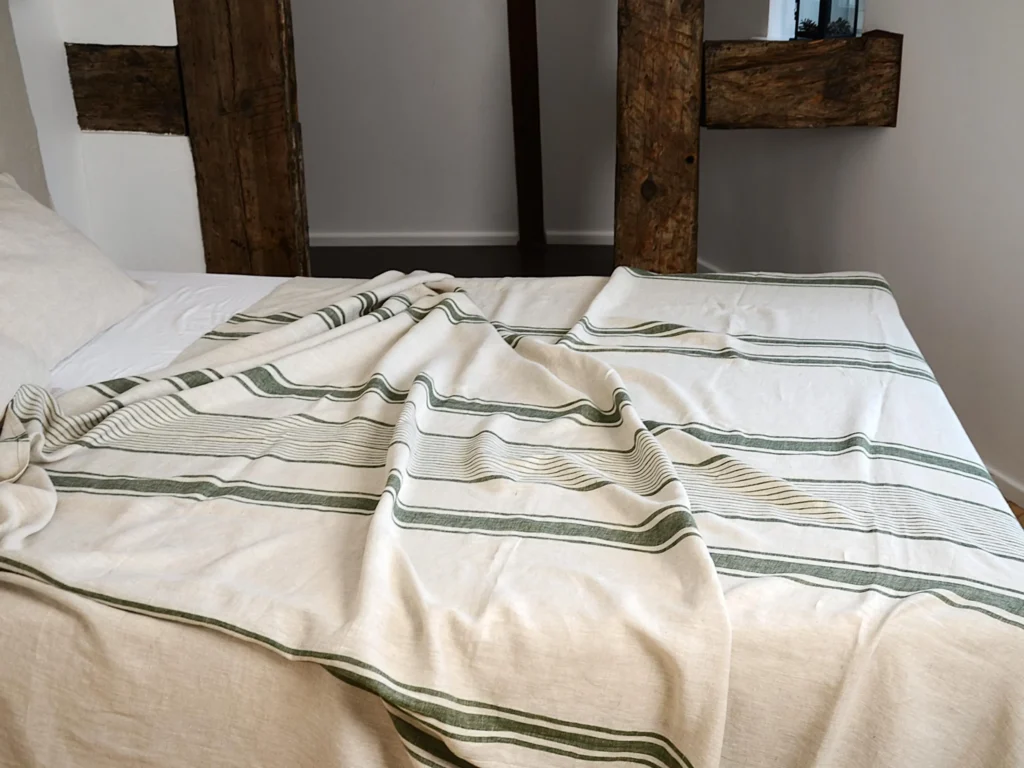
- Linen throws and cotton quilts
- Wool rugs under bare feet
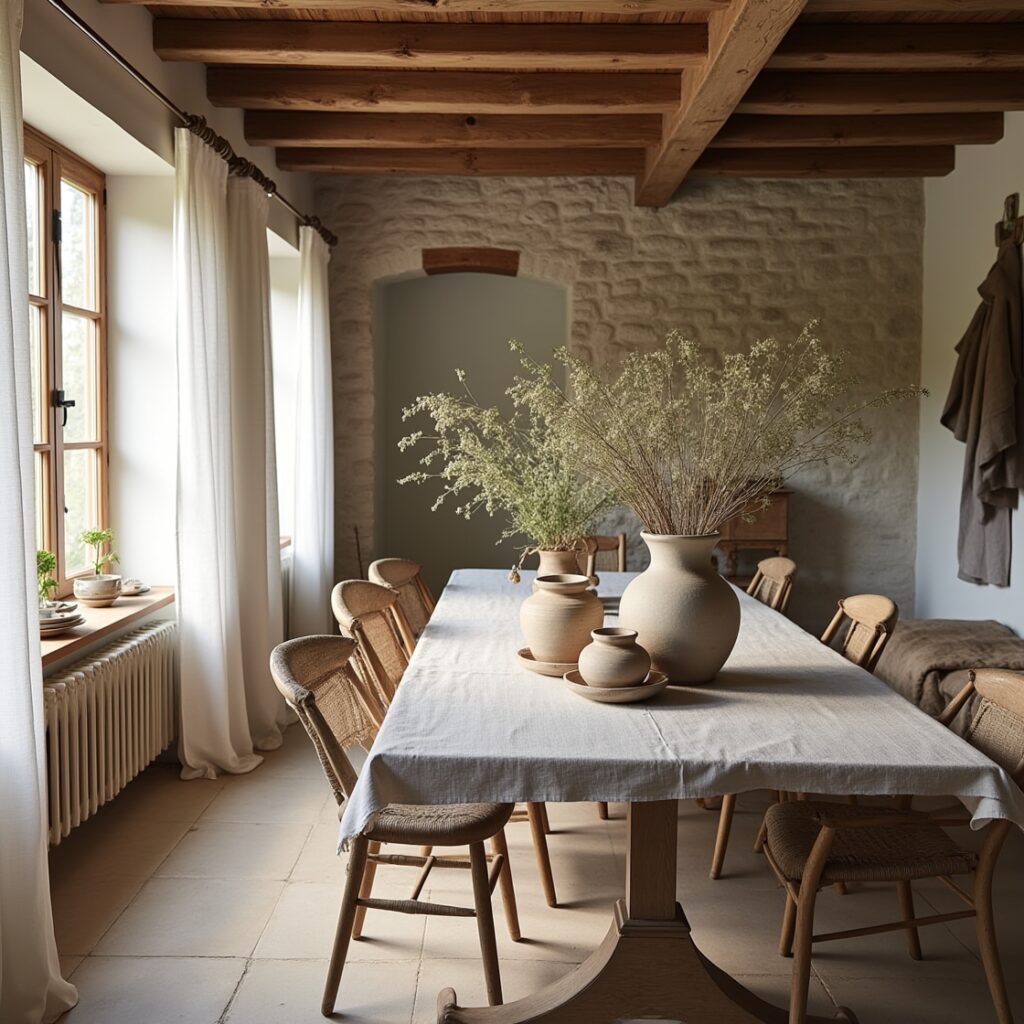
- Textured ceramics for holding tea, water, or even dried herbs
These aren’t just aesthetic—they activate your tactile nervous system, which is your body’s direct route to calm.
Step 4: Rethink Your Cleaning Rituals
The way you clean can feel like a meditative reset—or a synthetic assault. Here’s how to make it more sensory-safe:
- Create a natural cleaning kit with simple ingredients (baking soda, vinegar, castile soap)
- Use wooden brushes, linen cloths, or loofahs for gentle cleaning
- Clean with the windows open—let your space breathe as you clear energy
FYI: Cleaning with intention is a form of mindful daily habit. It signals your nervous system that life is safe, not chaotic.
Step 5: Add Living Layers
Living decor clears the air, both physically and emotionally.
- Air-purifying plants like peace lilies or snake plants
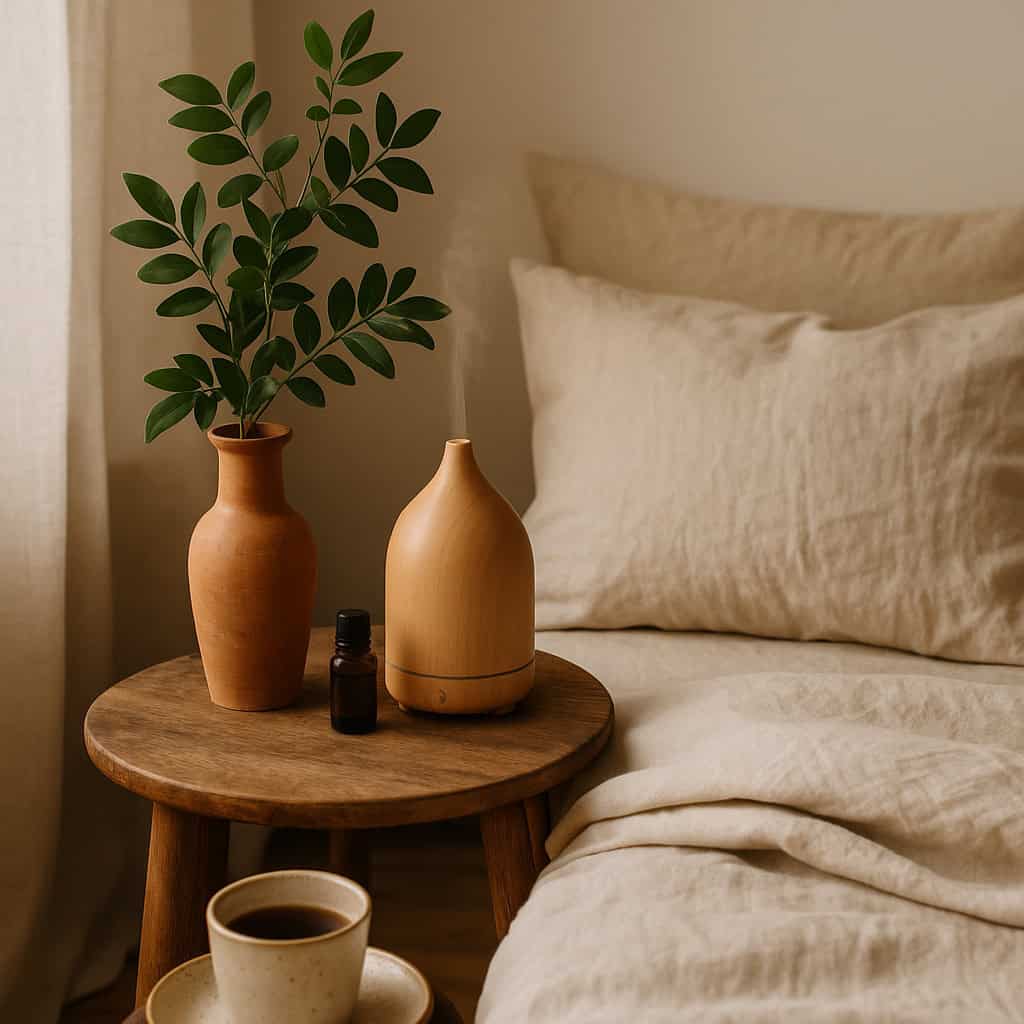
- Clay or ceramic diffusers with optional drops of pure essential oils (no artificial blends!)
- Open shelving with space between objects — because space itself is medicine
When Others Love Scent (But You Don’t)
This part can be tricky. Roommates, partners, guests—everyone has different thresholds. The key is boundaries with kindness.
Try saying:
“I’ve been trying a scent-free routine for my focus and sleep—it’s helped a lot. Would you mind if we kept strong scents to a minimum?”
No big drama. Just soft clarity.
A Soft Home Supports a Soft Life
You’re not being overly sensitive. You’re being tuned in. The more you unlearn fast productivity, the more you notice what actually soothes you.
A scent-free sanctuary is a quiet, radical way to care for your space, your body, and your breath.
You’re allowed to feel good in your home—without hiding behind lavender mist.
🌿 Try This Next Step
Want a calmer home and clearer headspace? Try opening your windows tomorrow morning while sipping tea—no phone, no rush. Just fresh air and stillness.
Your breath (and nervous system) will thank you.