You know that feeling when you walk into a room and your body just… exhales? It’s not always about what’s in the room—it’s about how the room feels. And sometimes, what makes the difference isn’t the layout, or the colors, or even the light. It’s the texture.
More specifically: the wrinkled, lived-in texture of linen.
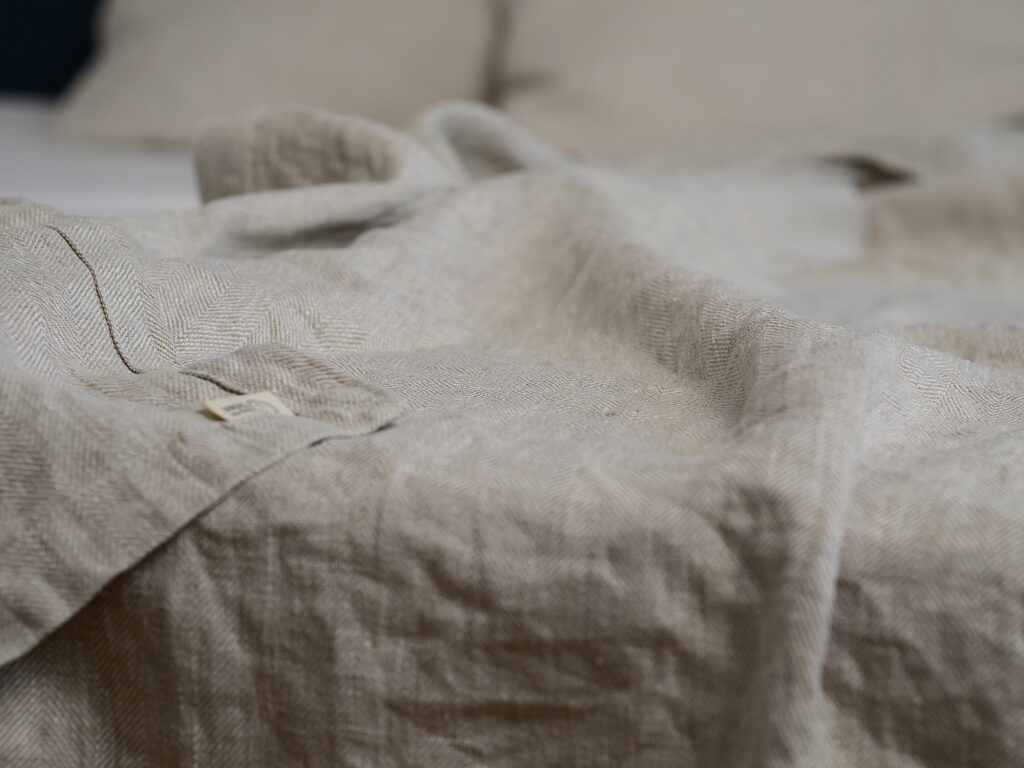
Before we rush to flatten, steam, or perfect every surface, let’s pause. Because that imperfection? That soft rumple? It might just be the nervous system cue your body has been searching for.
Why Texture Speaks to the Body, Not Just the Eyes
Our nervous systems are constantly scanning our environment—looking not only for threats, but also for signs of safety. Harsh lines, shiny surfaces, and perfection can signal vigilance. But natural textures, especially those that are soft and matte, send a very different message.
Linen, with its gentle wrinkles and dry softness, tells our bodies: you can relax here. It’s not shouting for attention. It’s not polished or cold. It’s quiet in its presence.
Scientific Note
Studies on sensory-friendly environments show that tactile and visual softness reduces stress reactivity. In environments designed for trauma recovery or neurodiversity, muted textures and natural fibers consistently rank as most calming (reference: Ulrich, R. S. (1991), and modern design psychology studies on sensory modulation).
Wrinkles That Soothe, Not Stress
In a culture obsessed with ironing things flat—our schedules, our bedsheets, even our faces—letting linen be its wrinkled self feels almost radical.
But this isn’t laziness. It’s a choice to say: This space is lived in. It’s human. It doesn’t perform perfection.
And that changes how you show up in it.
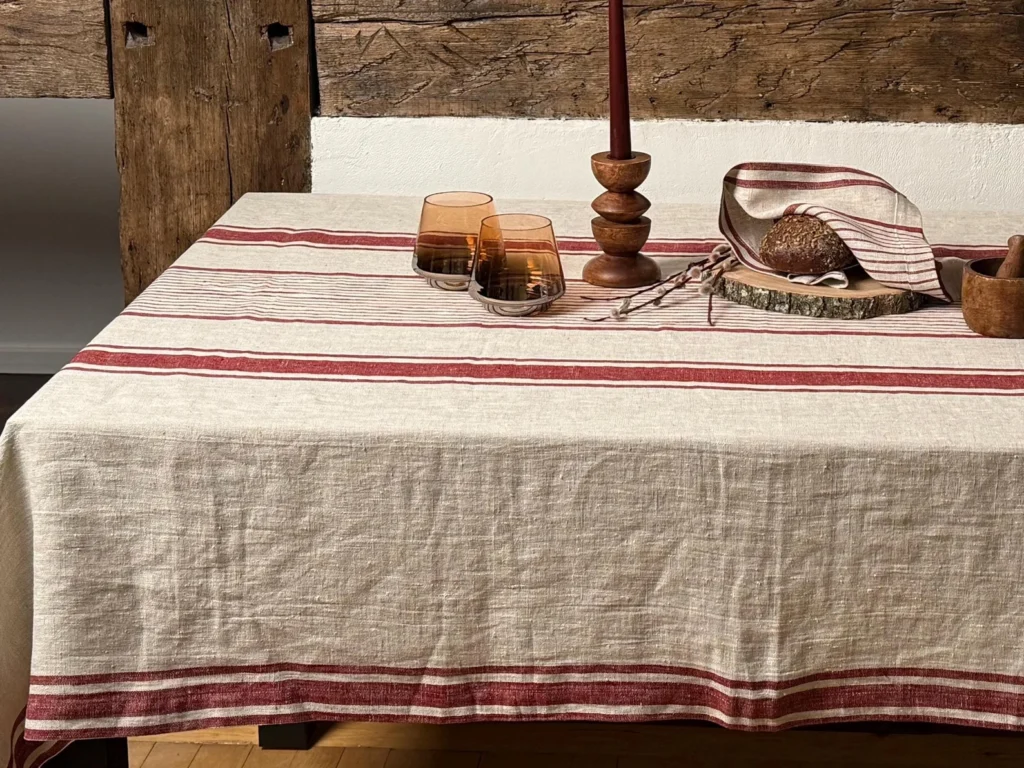
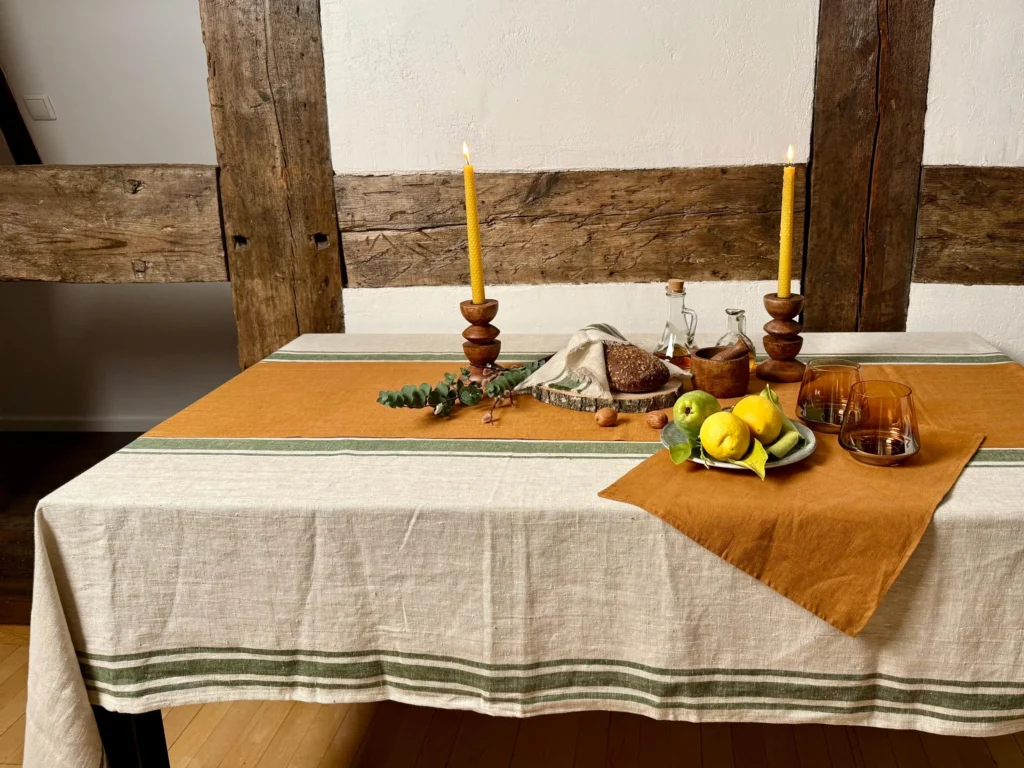
A slightly rumpled linen duvet, like this striped one, invites you to rest. A crumpled tablecloth tells guests: stay longer, you’re not interrupting anything perfect. A linen curtain that sways with the breeze becomes a soft daily meditation.
Where to Use Linen Texture for the Biggest Emotional Impact
Let’s not think of linen as just a look. Let’s think of it as a nervous system design tool. Here’s where it quietly changes everything:
The Bedroom
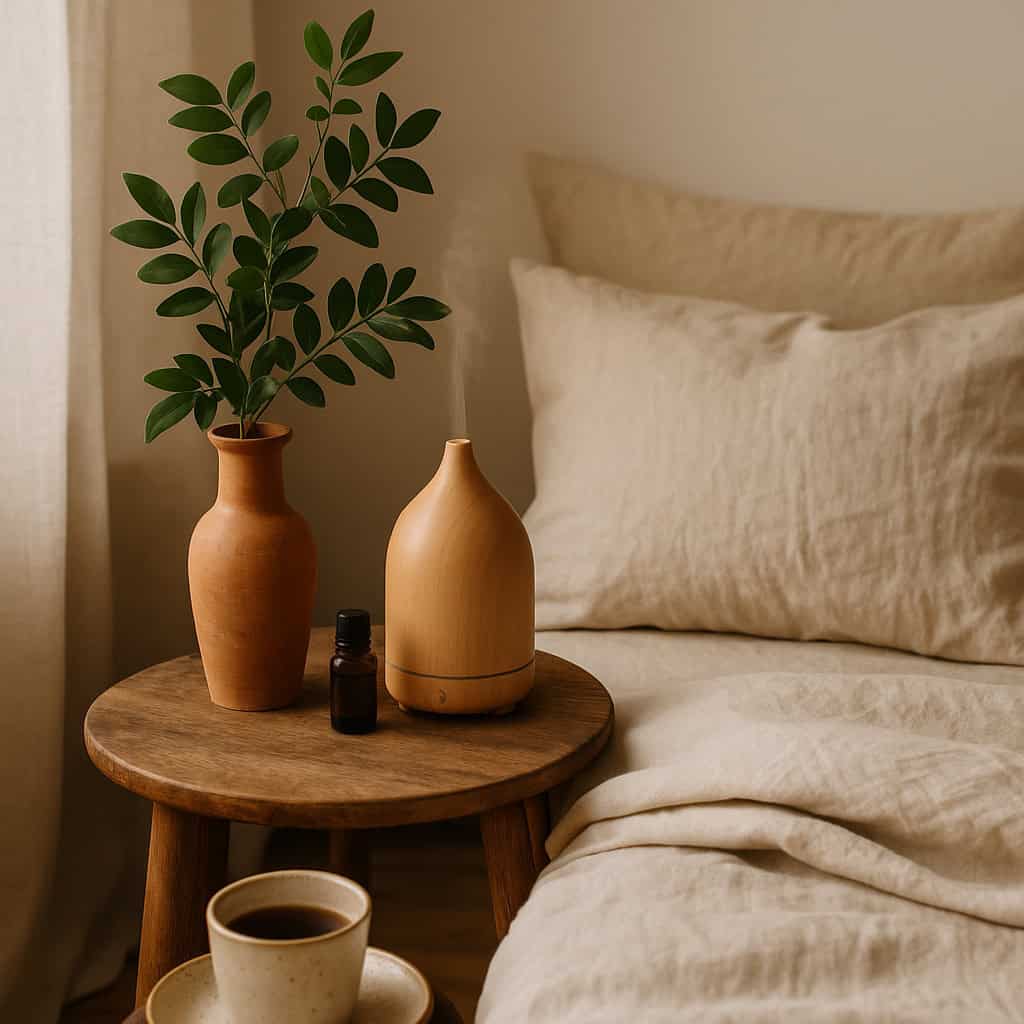
A wrinkled linen bedspread (like in The Quiet Bedroom Formula) doesn’t just soften the light—it softens your thoughts. Especially when paired with neutral, breathable tones that signal rest.
The Living Room
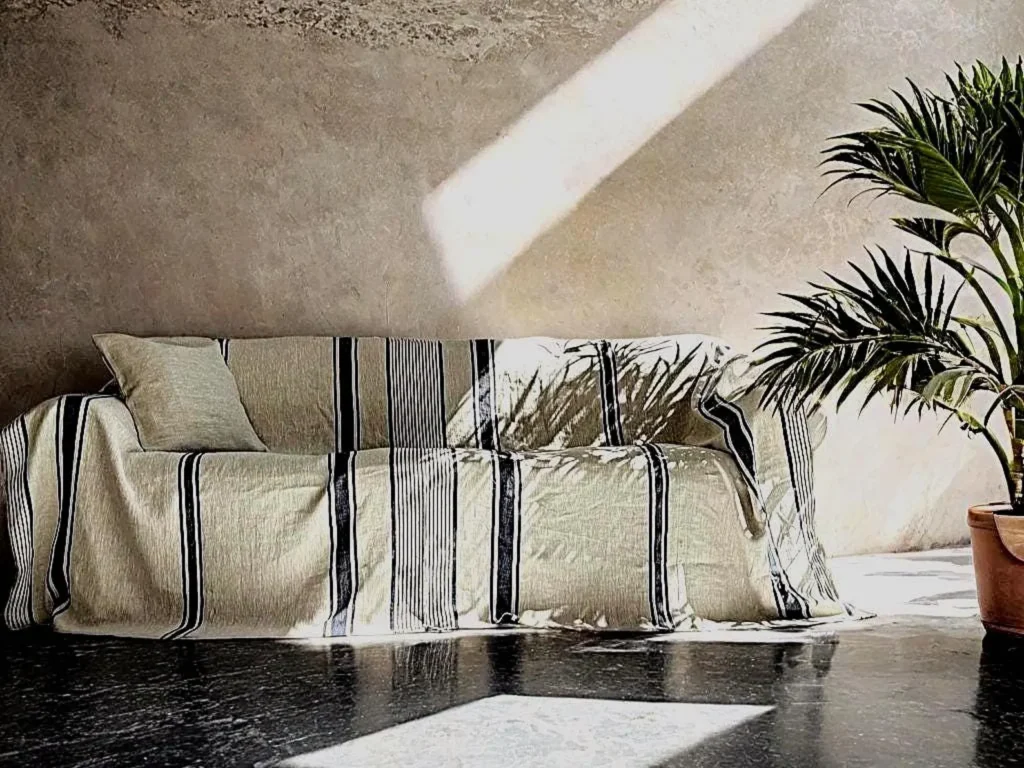
Add a loose linen couch cover or wrinkled throw. This transforms a performative space into a permission-based one. You’re allowed to sink in. No fluffing required.
The Kitchen Table
A heavyweight linen tablecloth with natural folds absorbs sound, light, and tension. You won’t want to eat anywhere else. Explore how this plays out visually in our post The Table Is Where Slowness Lives.
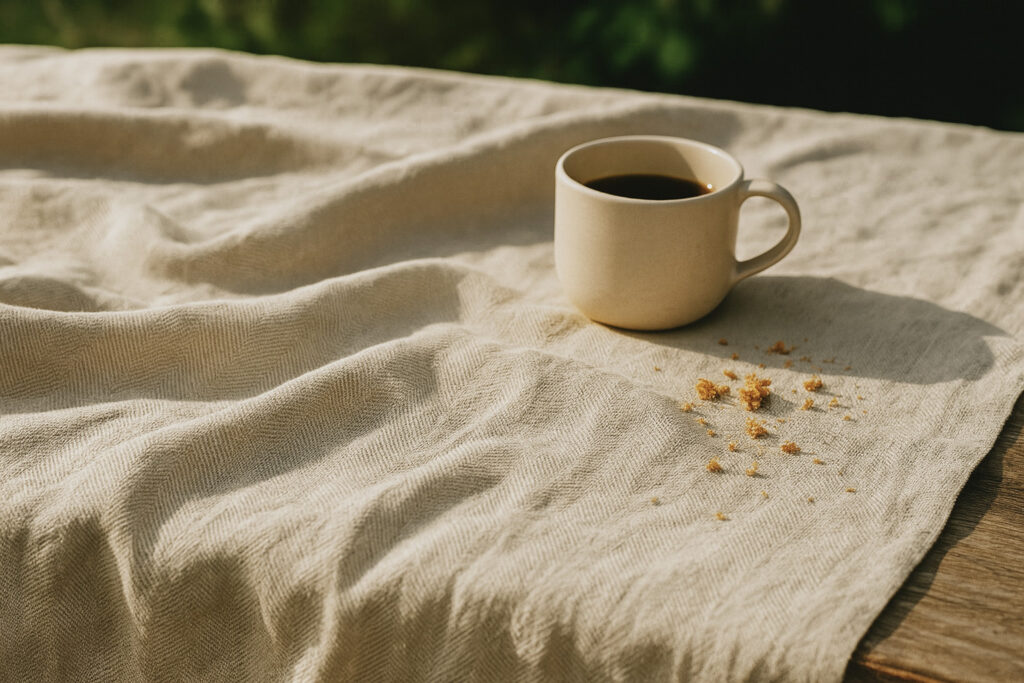
How to Style It Without Looking “Undone”
Yes, wrinkled can look thoughtful—not messy. The key?
- Keep the palette neutral – linen’s beauty is in its subtlety
- Layer sparingly – let texture do the work
- Add natural elements – wood, ceramic, stone
- Use light intentionally – let it dance through folds and weave
This doesn’t mean your whole home has to be beige and rumpled. It just means you can stop fighting your fabric.
A Daily Reminder: Beauty Doesn’t Mean Perfection
Every time your hand runs over a wrinkled linen napkin or you press your face into a rumpled pillow, you’re reminded:
You don’t have to be smooth to be loved.
You don’t have to be polished to be calming.
You don’t have to flatten yourself to be welcome.
More Mindful Home Ideas
Want to continue creating a space that actually calms your body, not just your brain? Read these next:
- The Quiet Bedroom Formula
- Slow Decorating: A Gentle Guide to Sustainable Interiors
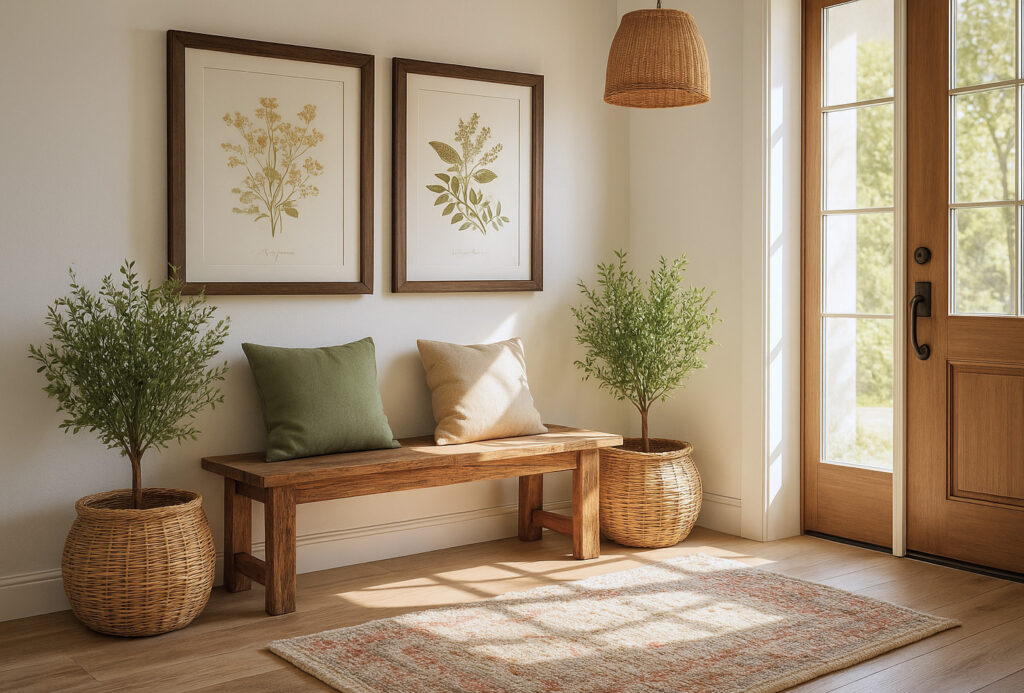
- Creating a Soothing Entryway Ritual
Final Thought
The linen effect isn’t just a texture.
It’s a permission slip.
To breathe. To stop performing. To come home—to yourself.